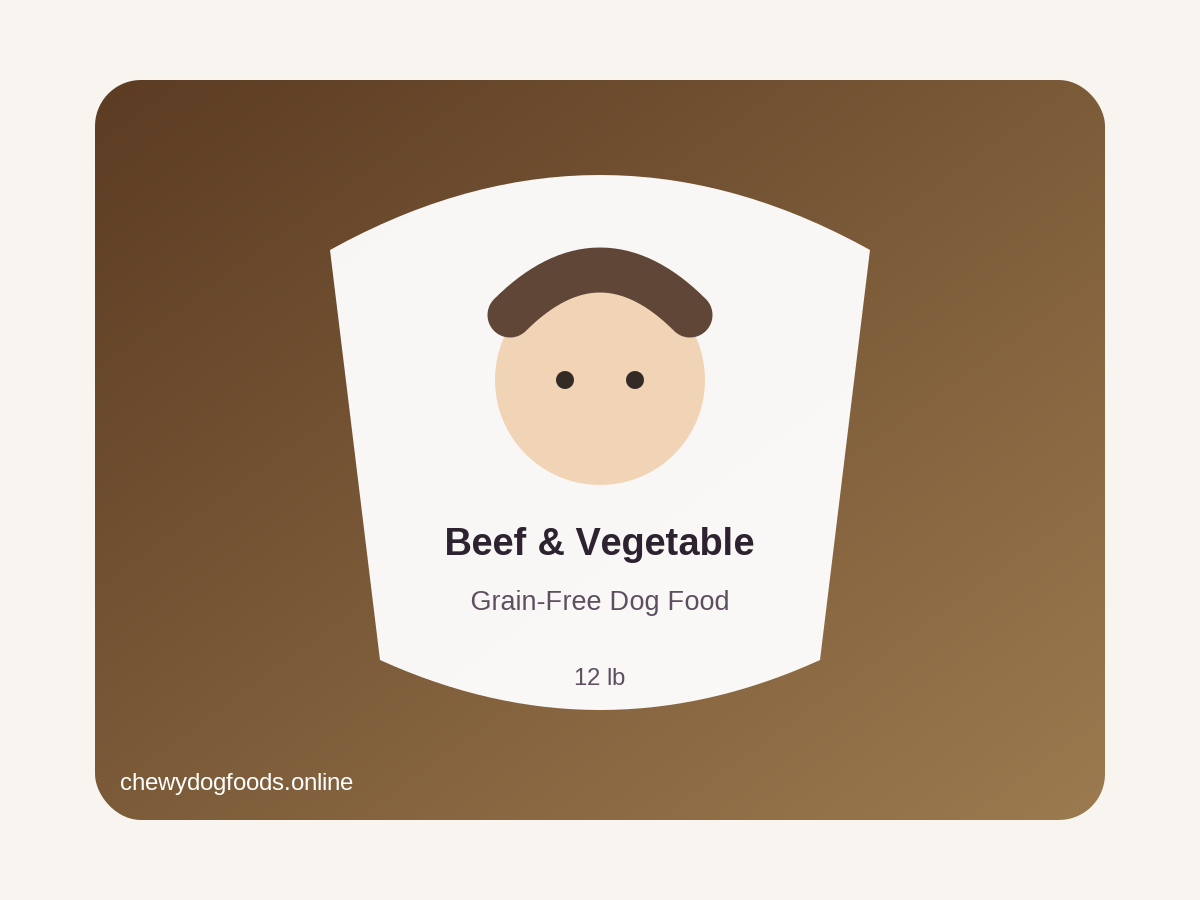
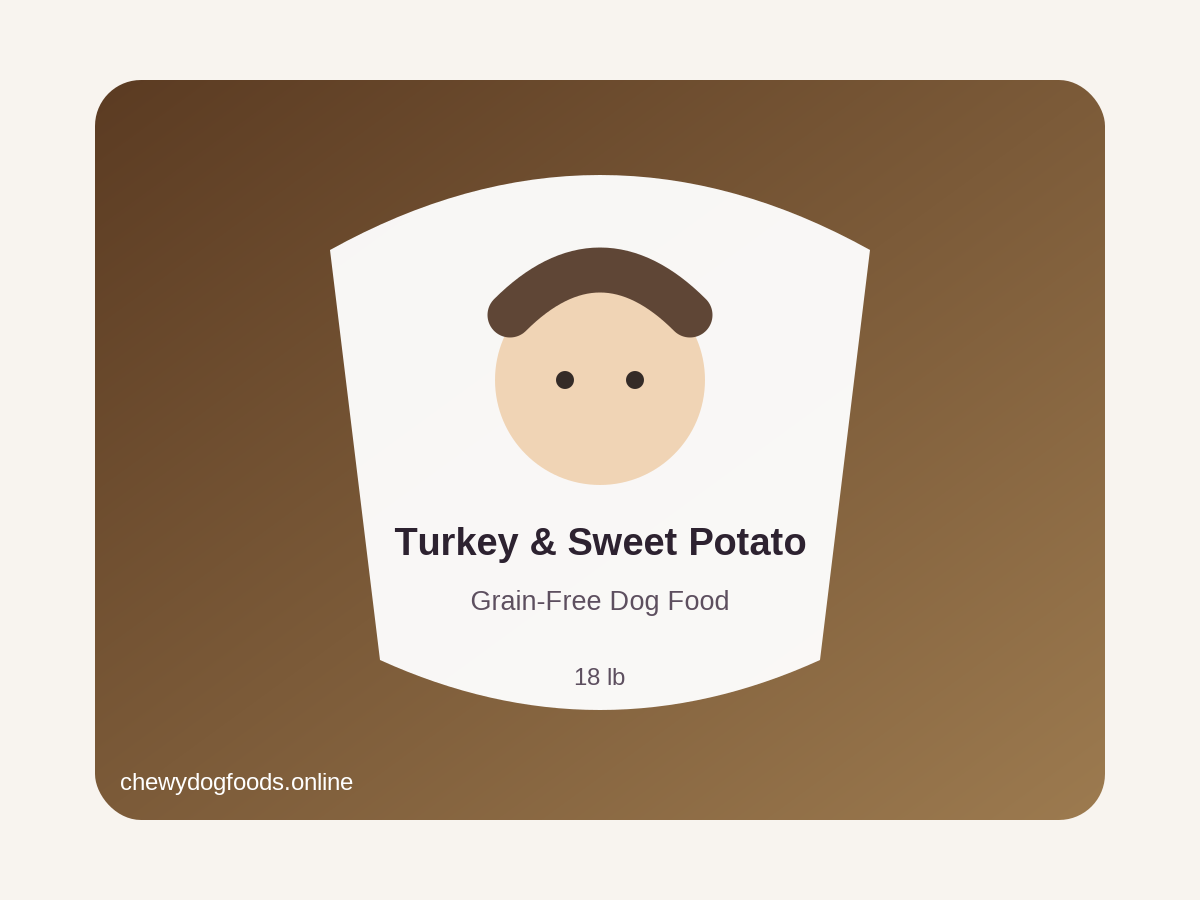
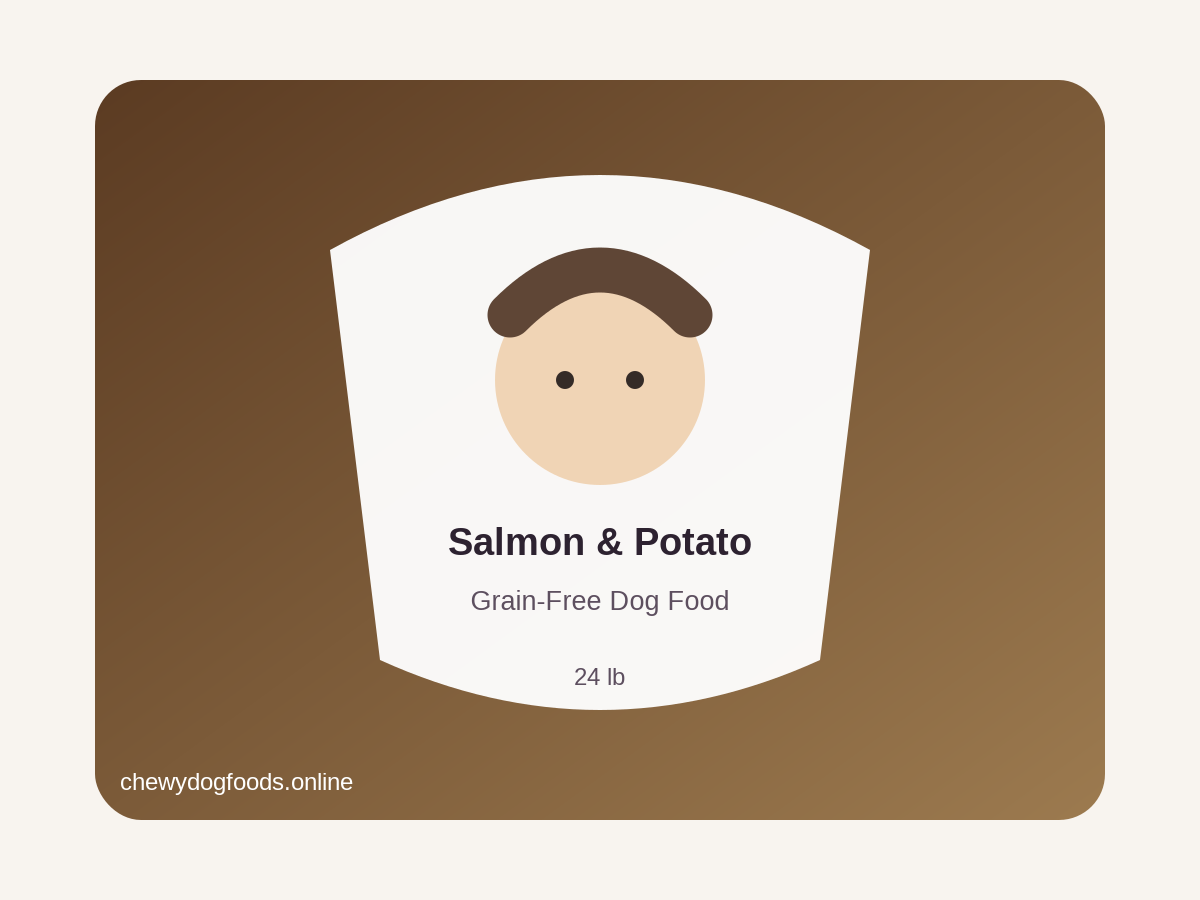
Choosing dog food starts with your dog’s age, body size, activity level, health history, and feeding routine. Compare life stage, main protein source, texture, portion size, and how well the recipe fits your dog’s normal digestion.
Reading the Product Details
Look at the ingredient list, serving size, storage instructions, and feeding notes. If your dog has a known medical condition, allergy, or ongoing digestive problem, speak with a veterinarian before making a major diet change.
Making a Gradual Change
Many dog owners mix a small amount of the new food with the current food and slowly increase the new portion over several days. This can help you notice changes in appetite, stool quality, energy, and comfort.
Compare the 10 Grain-Free Dog Food Options
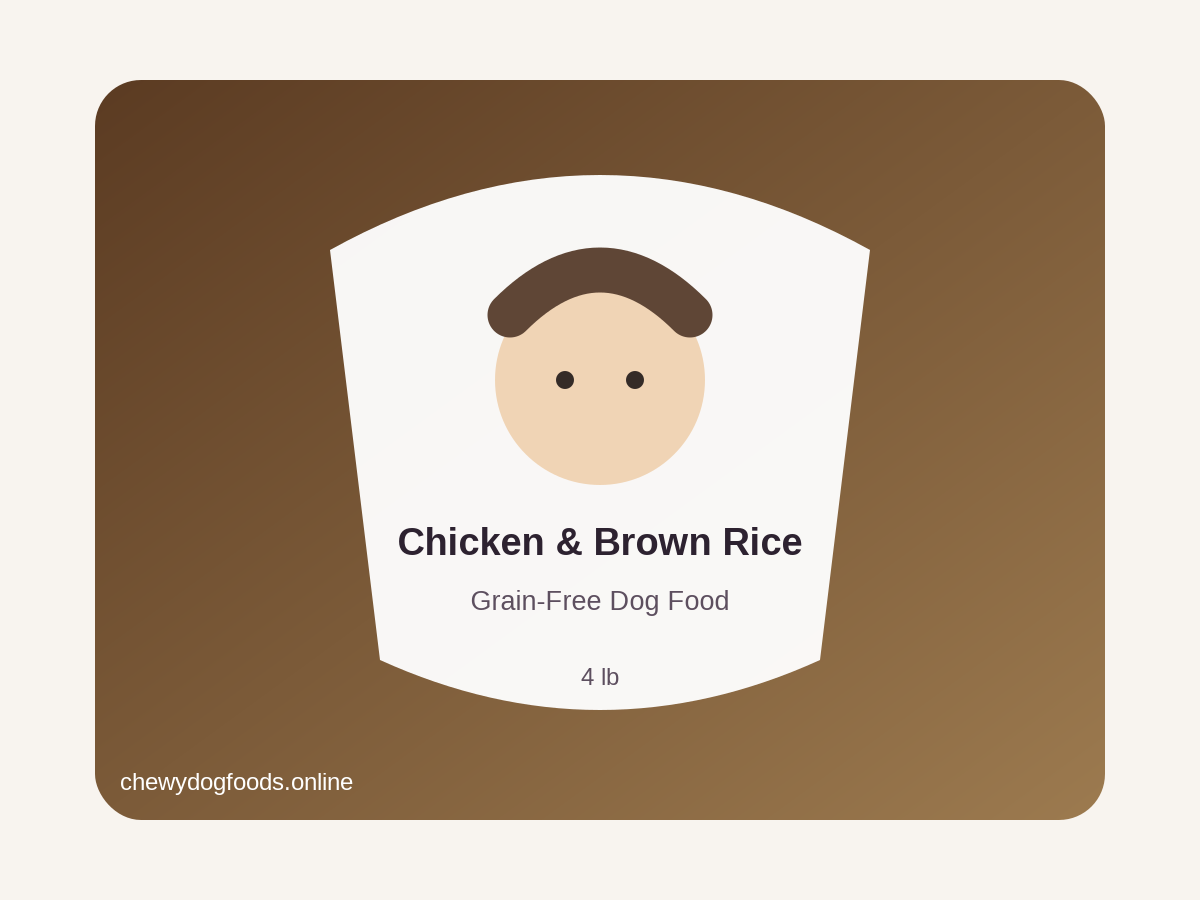
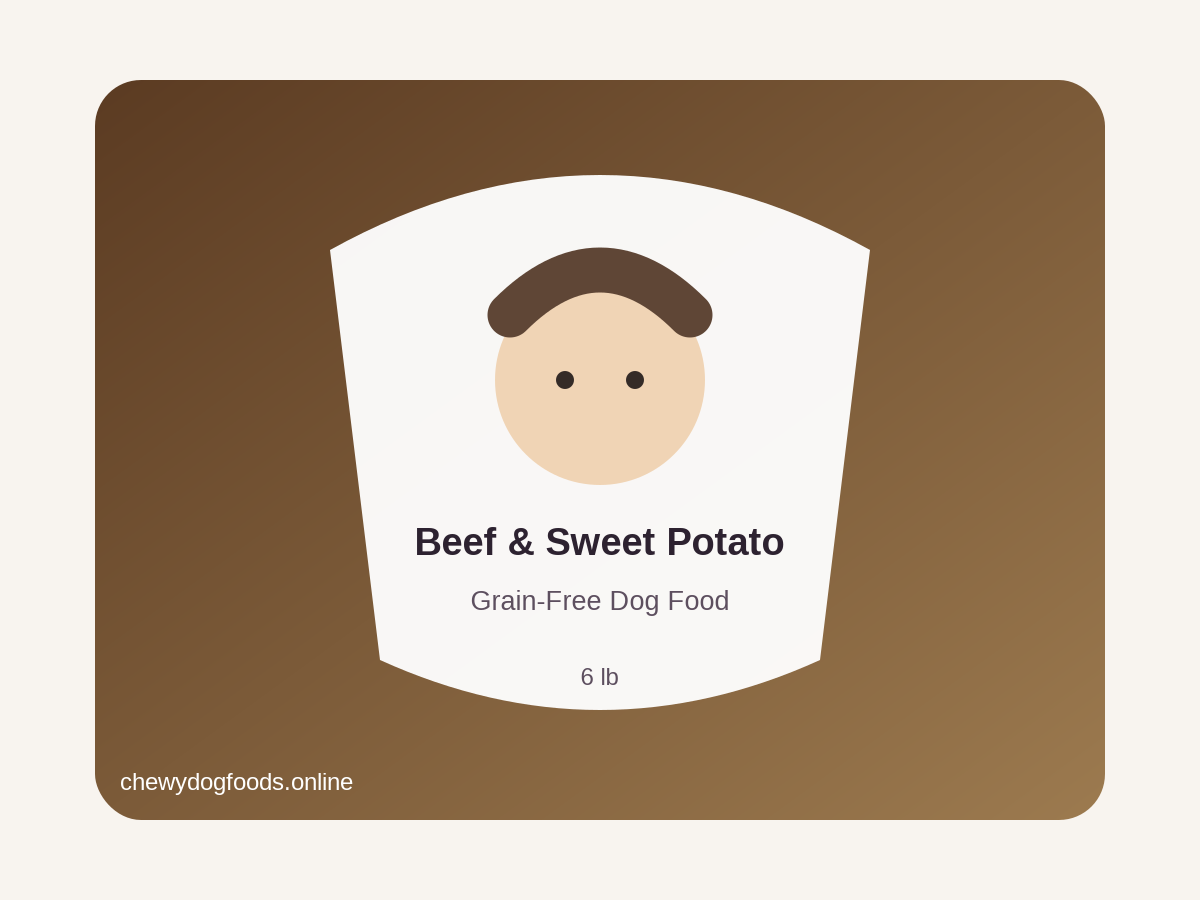
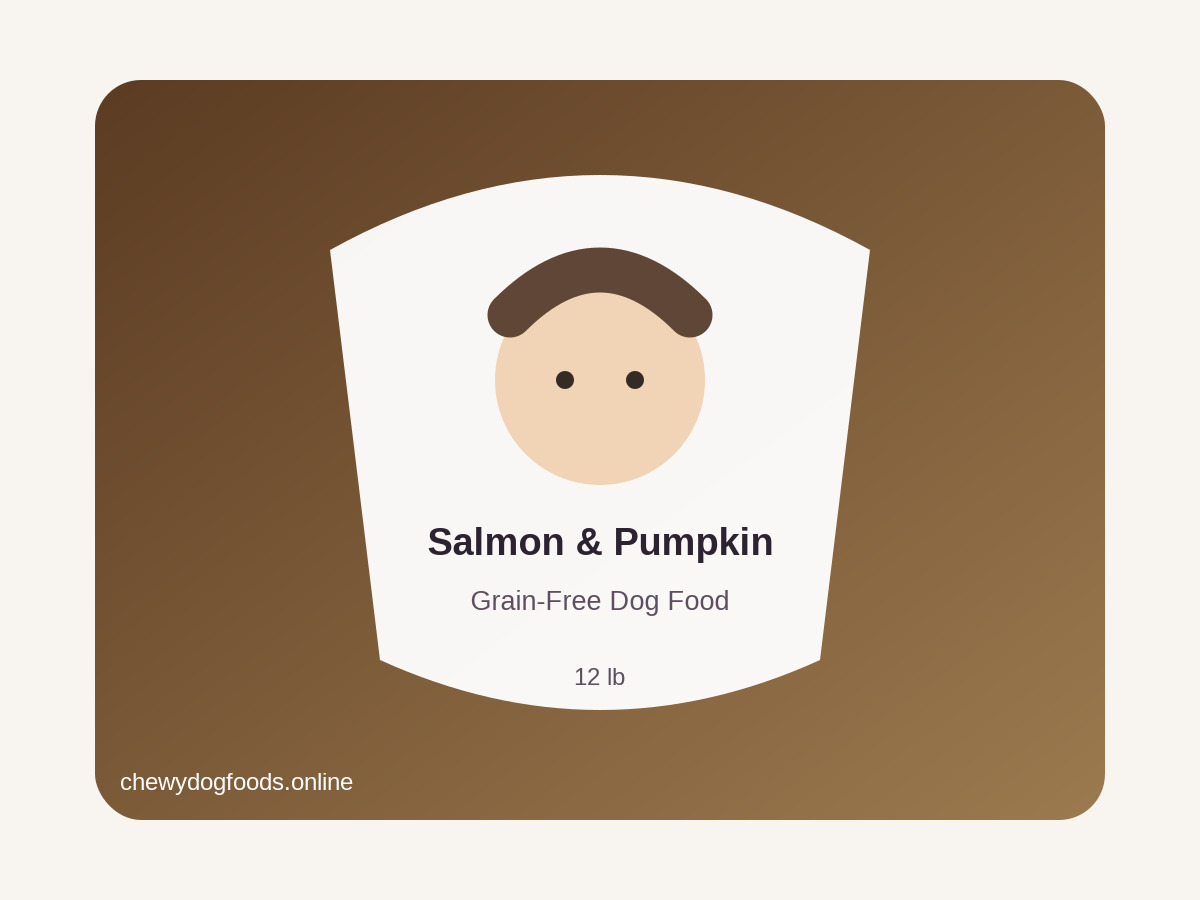
This category includes ten recipes with different protein sources, package sizes, textures, and prices. Use the product pages to compare the details rather than choosing only by flavor name.
What Dog Parents Say
★★★★★
“The product pages made it easy to compare recipes and sizes.”
— Maya R.
★★★★★
“The checkout flow was simple to understand on my phone.”
— Daniel K.
★★★★★
“Clear categories helped me compare puppy and sensitive-stomach options.”
— Priya S.
Practical Feeding Tips
Measure portions instead of guessing. Dogs can gain weight gradually when servings increase without anyone noticing. Use your dog’s current body condition, activity level, and feeding schedule to guide portions, and adjust when needed. Fresh water should always be available. Treats also contribute calories, so include them when thinking about the full day’s intake.
Store food in a cool, dry place and keep the package sealed. Check the best-before date and avoid using food that smells unusual, appears damaged, or has been stored in poor conditions. Clean bowls regularly, especially when feeding moist recipes.
When to Ask for Professional Guidance
Dogs with kidney disease, diabetes, pancreatitis, food allergies, severe digestive problems, obesity, or other medical conditions may need a carefully selected diet. Puppies, pregnant dogs, and very old dogs can also have special nutrition needs. Product pages can help you compare options, but health decisions should be based on your dog’s actual condition and professional guidance.